Sustainable Solutions

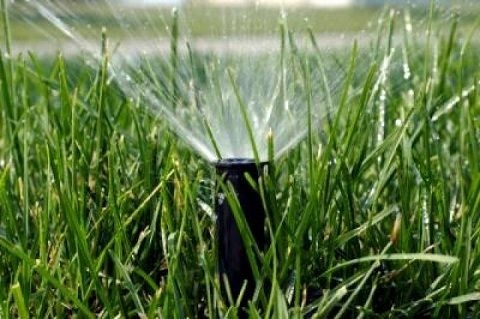
Less water
Over the last decade we have been confronted with increasingly extreme weather conditions. More than before, spring and summer periods seem to be characterised by longer spells of drought or, in contrast, extreme rainfall. Nevertheless, water is essential for the germination, establishment and growth of grass. The changing weather conditions have therefore led to higher demands with respect to the characteristics of grass.
In response to these changing conditions, we have developed products and varieties that contain deep-rooting grasses that access moisture from deeper soil layers offer significant advantages. While standard grasses typically root only within the top 10 to 15 cm of soil and struggle during dry periods, deeper-rooting species can reach beyond 60 cm. These grasses maintain greener swards and recover more effectively after drought. Additionally, certain varieties with horizontal growth form extensive underground rhizomes and root networks, improving resilience and ground cover.
Fewer pesticides
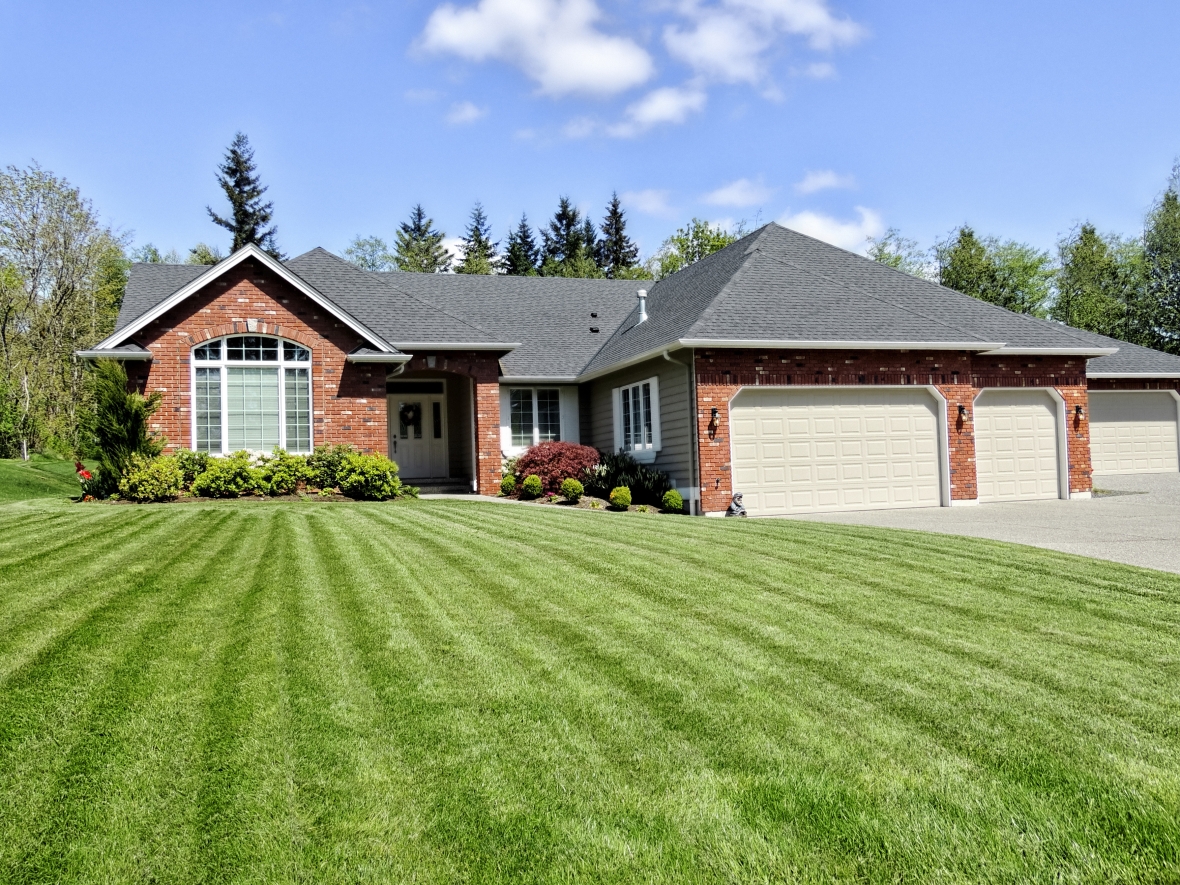
Stress situations which lead to grass diseases (fungi) can occur on sports fields, lawns and golf courses. The changing climate is also a cause of such diseases. Fungi manifest themselves in various ways and can attack the grass cover to a serious degree, reducing playing quality. ‘Prevention is better than cure’ is the message here.
As part of the Barenbrug propagation programme, selections are made based on genetic cultivar characteristics, such as resistance to red thread, dollar spot and fusarium. New cultivars are being tested for these diseases all over the world. Only the best cultivars are considered for registration in national cultivar catalogues.
Less mowing
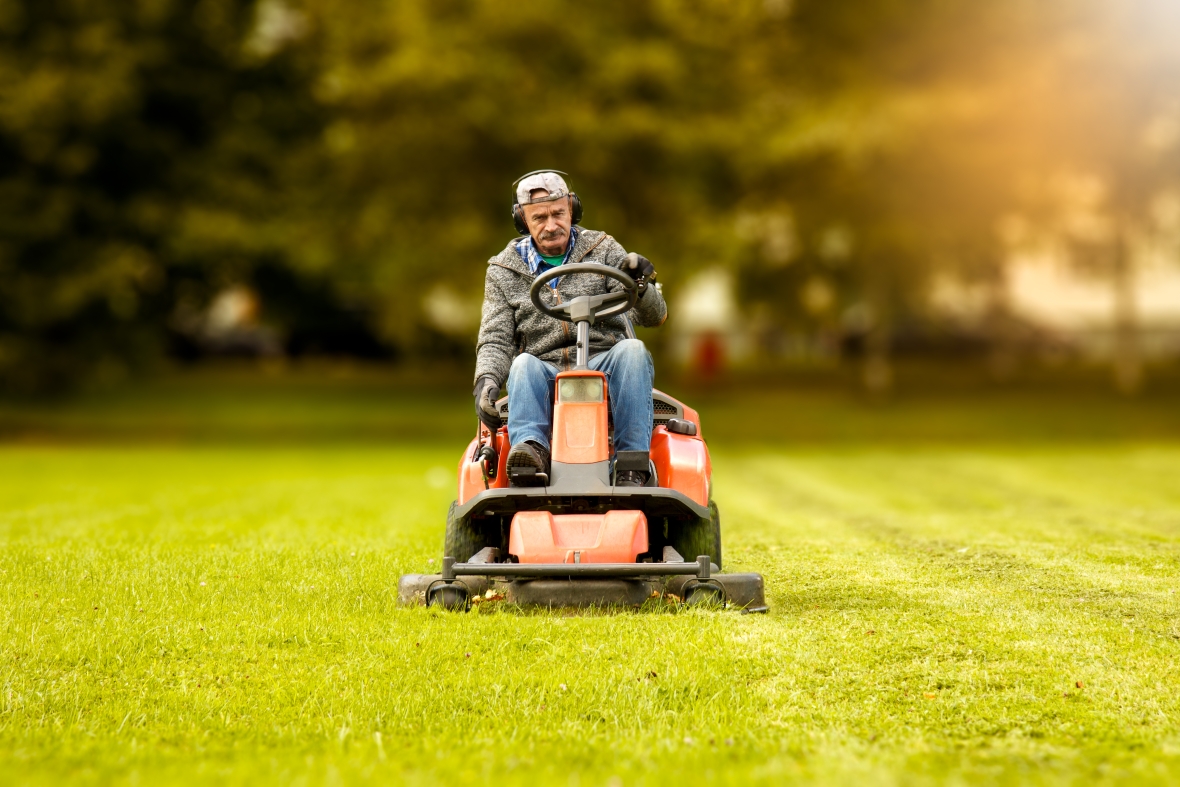
Sustainable grass management also means less mowing. During the growth season, grass can produce a considerable mass of material as a result of high temperatures, moisture and plenty of light. This means that the grass needs to be mowed more frequently, involving more work, equipment costs and fuel (fossil energy) and at the same time resulting in increased CO2 emissions.
Barenbrug has invested heavily in research into the biomass production of grass. Research has shown that not only are there differences between species, but that within species too, in other words at cultivar level, there are significant differences in growth height and grass production.
Barenbrug has developed through research and the breeding programme, low-growth grass solutions that reduce mowing frequency by up to 35% - without compromising on visual quality. These cultivars are ideal for low-maintenance lawns, public green spaces, and recreational areas, offering both aesthetic appeal and operational efficiency.
Less fertilisers
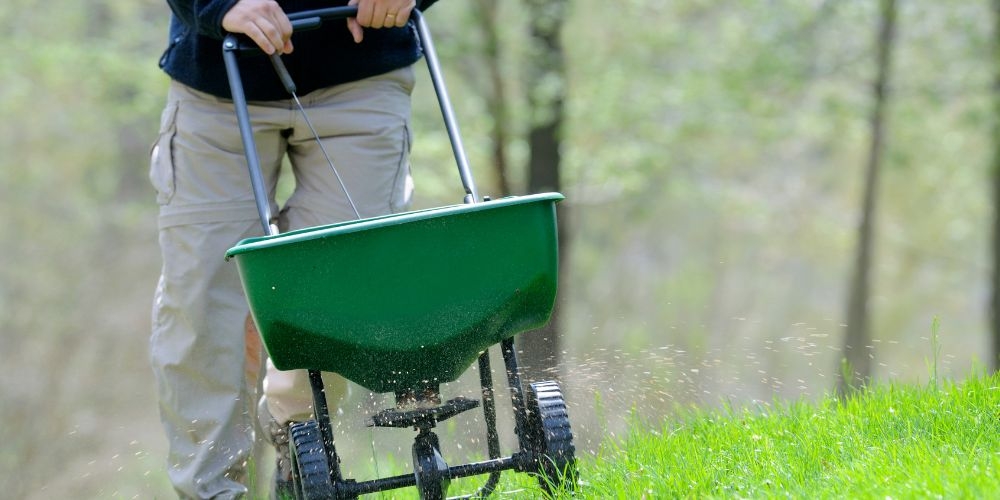
Grass needs nutrition in order to perform well. Nitrogen is one of the most important engines for the growth of plants. However, mineral fertilisers are made from non-renewable sources using an energy-intensive process. Too much fertiliser also poses a threat to the ecosystem in surrounding ditches.
The selection of the right grass mixture for the purpose can make a difference here too. Some grass mixtures perform just as well with less nutrition. This means that fewer fertilisers are required without any sacrifices needing to be made in terms of quality.
Years of independent research carried out by STRI have shown that red fescue and hard fescue perform excellently on lawns and golf courses under low to very low input fertilisation. We have developed varieties to maintain strong green quality while requiring up to 50% less fertilisation—delivering excellent results with reduced environmental impact.
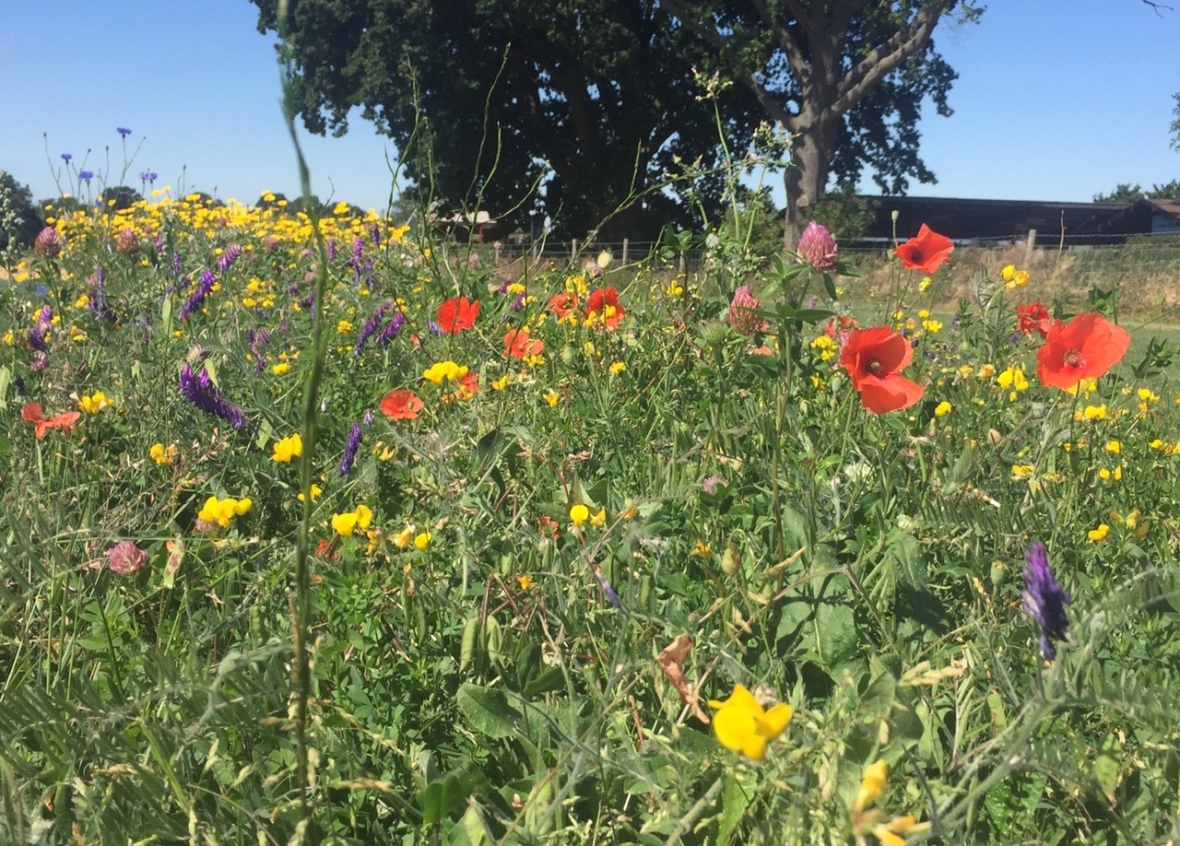
More biodiversity
Biodiversity in grass ecosystems is crucial for environmental stability and sustainability. Diverse species enhance ecosystem resilience, improve soil health, and support a wide range of wildlife. By promoting genetic variation, biodiversity helps grasslands adapt to changing climates, pests, and diseases, ensuring long-term ecological balance and productivity.
At Barenbrug, we embrace biodiversity to develop robust, sustainable grass solutions that contribute to a healthier planet.