From Start to Finish

At every stage of our business process - from Research and Development to production to customer services - we are dedicated to minimising our environmental impact. Our goal is to achieve climate neutrality in all our operations (Scope 1 & 2) by 2040. While we have made significant progress, for instance by implementing energy-efficient manufacturing processes and utilising renewable energy sources in most of our facilities, we recognise that there is still substantial work ahead to further reduce our carbon footprint. Some of the initiatives that we have already taken:
LED Lighting
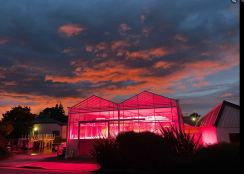
In New Zealand we have replaced 2715 sq/ft of greenhouse lighting with LED lights. As part of our ongoing commitment, we have set a target to replace all remaining incandescent lighting in our NZ operations with LED technology by the end of June 2026.
Electricity
When it comes to the power consumption of our processing plants and warehouse operations we identify optimal solutions for each location. Solar power is a key opportunity for transitioning toward energy self-sufficiency and we invest in this where feasible. We aim to have 100% of our energy needs met by renewable sources.
Air Travel
As a geographically dispersed organisation, we value face-to-face interactions for fostering collaboration and an inclusive culture. However, we also acknowledge the environmental impact of air travel. We will prioritise digital meetings and gatherings whenever possible, reducing the need for air travel.
Innovative Packaging
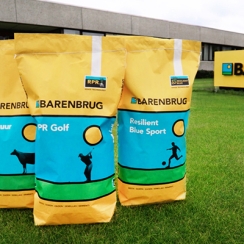
On a global scale, approximately 50% of our products are sold in paper bags or cardboard boxes, while the other half is packaged in plastic. We are actively working and committed to reduce plastic waste. Recent initiatives in New Zealand have led to a 30% reduction in our plastic consumption there. We are committed to industry-led initiatives to reduce waste and take the lead in the Seed Industry Research Centre project, considering alternative packaging options to poly-woven plastic bags.