How to Maintain High Traffic Lawns
Lawns frequently serve as the setting for family gatherings, garden spots, and pathways, yet parts subjected to heavy foot traffic can suffer from wear and tear, failing to achieve a healthy lawn. Continuous treading can result in compacted soil, hindering the grass’s water absorption resulting in brown patches or even dead spots. Additionally, heavy foot traffic may lead to the accumulation of thatch, which restricts root growth and increases the need for dethatching or lawn aeration to restore a healthy lawn.
Choosing the Right Type of Grass
Selecting durable grass species that can withstand frequent foot traffic is essential for effectively addressing these challenges. For instance, perennial ryegrass is renowned for its resilience against frequent use. Moreover, lawns in high-traffic areas are often more vulnerable to diseases, especially fungal infections that cause discolouration. To ensure the health of grass lawns in these demanding conditions, implementing proper care practices—such as proper watering, fertilising, correct mowing height and routine disease checks—is crucial.

Factors to Consider When Selecting a Grass Seed Blend
When searching for the ideal grass seed mix for high-traffic areas, several crucial factors must be considered. First, assess the soil type, as the right seed can either adapt to a poor-quality soil surface or take advantage of rich loam. Take into account weather conditions. Sunlight exposure is equally important, with some grass varieties flourishing in direct sunlight while other shade-tolerant varieties thrive in shaded areas. Additionally, don’t overlook proper drainage capacity; well-drained soil support a different selection of grass compared to those that retain moisture. Lawn maintenance requirements, such as mowing height, a regular watering schedule and the use of pre-seeding fertiliser, are also essential considerations. Finally, think about how you plan to use your entire lawn—whether as an ornamental lawn, a children’s play area, or a gathering spot—as different grass types handle foot traffic differently. For example, perennial ryegrass establishes a dense turf that recovers well from wear, while tall fescue features deep roots that enhance drought resistance. By aligning your grass seed choice with these critical factors, you’ll be set for a beautiful lawn.

Perennial Ryegrass: The Ideal Option for High-Traffic Lawns
Perennial Ryegrass is an outstanding option for high-traffic lawns, thanks to its impressive blend of aesthetic appeal and functional characteristics. This grass variety is renowned for its quick establishment and the development of a robust, dense turf, ensuring a vibrant green lawn that withstands frequent mowing. With its fine leaf texture and vivid green colour, its true strength lies in its resilient root system and durable grass blades, making it ideal for regular traffic areas like parks, schools, and family gardens. Our E2 Tough Turf is an excellent choice for high traffic lawns. It's a hardwearing mixture for areas of intense usage, containing 80% perennial ryegrass. It's quick to establish, creating a thick and strong surface and has an excellent wear tolerance for a healthier lawn.

Preparing Your Lawn for Seeding
Preparing your heavy traffic lawn for your new grass seed mix is essential for cultivating a beautiful lawn. Start by clearing the area of weeds, moss, stones, and other debris to create a clean slate that minimises future growth issues and allows new seeds to thrive. Afterward, enhance soil nutrition and reduce lawn diseases by applying a pre-seed fertiliser; lightly rake it into the soil three to five days before sowing to ensure nutrients are readily available at the root zone where new grass needs them most. To establish a lush lawn, distribute the grass seed uniformly at a rate of 35g per square meter using a spreader for accuracy. Once the seeds are spread, a gentle raking will help them settle into the topsoil, improving seed-to-soil contact for successful germination. For high-traffic areas, consider using a durable grass seed mixture that includes perennial ryegrass, which provides not only a level seedbed but also excellent wear tolerance, making it ideal for outdoor activities and active spaces like playgrounds or social venues.
Seed Germination Techniques
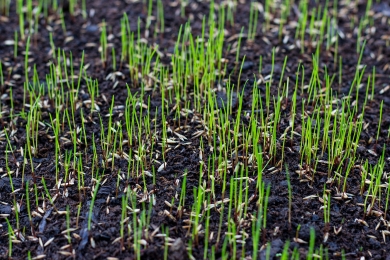
The germination of grass seed is a delicate balance of natural elements: warmth, moisture, and light. To awaken dormant seeds and promote growth, soil temperatures should ideally remain above 8-10°C. If rainfall is lacking, watering manually every other evening can significantly enhance moisture levels, helping seeds to sprout within 10 to 14 days under favourable conditions. Keep in mind that during their early stages, the newly sown seeds will rely on your diligent watering efforts.

Safeguarding Your Lawn Against Excessive Wear and Tear
To protect your lawn from excessive wear and tear, it's important to adopt effective strategies and a regular routine. Regular fertilisation promotes strong grass growth while minimising weeds and dead grass. Annual aeration alleviates soil compaction, resulting in root strength and enhance water and nutrient absorption. Correct mowing height for your grass type reduces stress on the lawn, and consistent watering practices ensures proper hydration, boosting resilience against damage and lawn disease. In summary, prioritising prevention through strategic fertilisation, aeration, regular mowing practices, and watering on a regular basis all play a crucial role in helping your lawn withstand regular foot traffic and ensure healthy growth for an inviting outdoor space and a resilient lawn.
Summary – maintaining high traffic lawns
- Do your prep – clear the thatch, aerate the soil and apply a pre-seed fertiliser three to five days before sowing.
- Choose a seed mixture with a high perennial ryegrass, like Barenbrug’s E2 TOUGH TURF.
- Ensure soil temps are above 8-10°C
- Be aware of moisture levels and water manually every other day if there is insufficient rainfall.
E2 Tough Turf
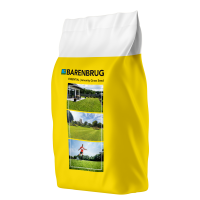
E2 Tough Turf
-
Creates an exceptionally hard-wearing turf, ideal for areas of intense usage
-
Suitable for multiple applications
-
Quick establishment and excellent wear tolerance
E3 Universal Turf
-
A golf course fairway type mixture, ideal for use on quality lawns and landscaping
-
Excellent appearance combined with durability
-
Good tolerance of drought conditions
E1 Value Lawn & Landscape
-
A general landscape mix with reliable amenity turfgrasses that is great value
-
Ideal for lawns and general landscaping works
-
Reliable blend of amenity ryegrass and fescue