How To Grow Grass In Shady Areas
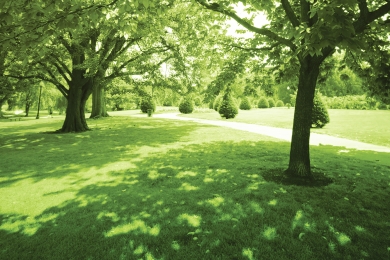
A lush, uniformly green lawn is often the goal in commercial and public landscaping. Yet maintaining turf in shaded areas presents persistent challenges. Whether in parks, public areas, or amenity facilities, certain turf areas may struggle due to restricted light, resulting in thin, patchy growth.
Factors such as dense tree canopies, structural shade from buildings, high foot traffic, soil compaction, and pest pressures all contribute to these problem areas. However, with an informed, strategic approach, even shaded landscapes can support healthy, resilient grass cover.
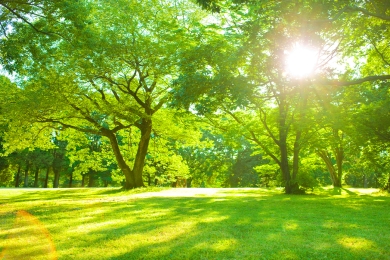
1. Reduce Shade Where Possible
Improving light penetration should be your first step:
- Prune overhanging trees and dense shrubs—ideally more than once per year depending on species and maintenance schedules.
- Replace solid fencing with slatted or trellis designs to allow dappled light through.
- Relocate or redesign structures (e.g. benches, bins, signage) that cast heavy shade.
In cases where architectural or neighbouring tree shade is non-negotiable, alternative turf management approaches become essential.
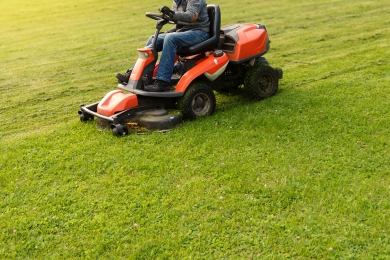
2. Adapt Turf Maintenance for Low-Light Conditions
Raise the Mowing Height
Turfgrass relies on leaf surface to photosynthesise—more blade equals more energy:
- Maintain a higher cut height to optimise energy intake.
- Avoid scalping shaded turf. Instead, follow a light, frequent mowing schedule, removing no more than 20–25% of total height per cut.
Avoid Stress Through Overcutting
Aggressive mowing in low-light areas stresses the turf:
- Scalping should be avoided altogether.
- Weekly trimming with sharp blades helps preserve plant health.
3. Support Turf with Balanced Nutrition
Shaded turf competes with nearby vegetation for nutrients:
- Apply balanced fertiliser to support turf density and root structure.
- Autumn and early winter feeding is crucial in shaded areas to build hardiness for spring growth.
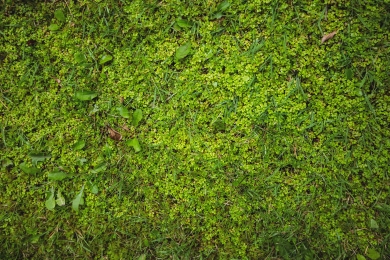
4. Control Moss and Thatch
Shady zones are more prone to moss:
- Regular scarification in spring and autumn helps control moss and thatch buildup.
- Chemical control should be a last resort in public or sensitive landscapes.
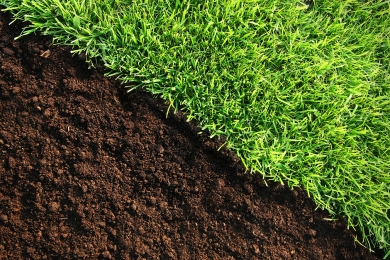
5. Manage Soil Moisture: Dry vs Damp Shade
Understanding the type of shade is key:
- Dry shade requires increased irrigation and organic amendments to retain moisture.
- Damp shade needs improved drainage to prevent fungal disease.
Use core aeration tools like hollow-tine aerators to balance soil moisture and relieve compaction, especially in high-traffic zones.
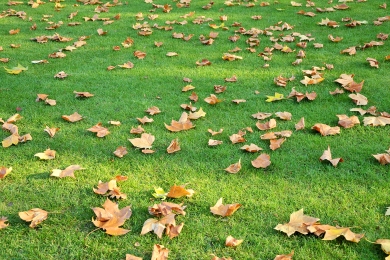
6. Clear Organic Debris
Regular debris removal is essential to maintain airflow and reduce the risk of turf disease:
- Leaf litter and rotting vegetation create ideal conditions for fungal outbreaks.
- Implement a routine clearing schedule during autumn and winter months.
Alternatives for Persistent Problem Areas
Shade-Tolerant Grass Seed Blends
If conditions are too restrictive for traditional turf:
- Consider specialist seed mixtures, such as shade-tolerant perennial ryegrass blends with high chlorophyll content. Like our E8 Shaded Areas mixture.
- Sow in late summer to early autumn for optimal establishment before winter.
Naturalised Plantings & Biodiversity Features
Where turf fails consistently, think beyond grass:
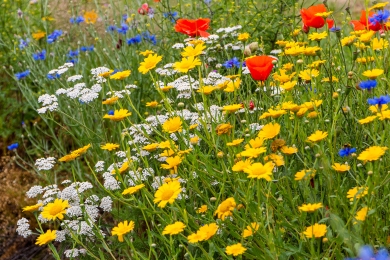
- Install shade-tolerant wildflower meadows using species like bluebells or crocuses for seasonal interest.
- These low-maintenance zones can support biodiversity, enhance aesthetics, and reduce input costs over time.
With the right approach, shaded zones don’t have to be problem areas. Instead, they offer an opportunity for creative, sustainable solutions in professional landscaping.
Related Products
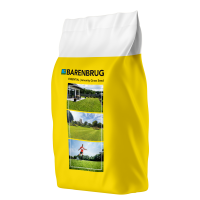
E8 Shade and/or Drought
-
Suitable for shaded lawns or general landscape areas with low light levels
-
Thrives in shade as well as areas of full sun
-
Creates an attractive turf
E1 Value Lawn & Landscape
-
A general landscape mix with reliable amenity turfgrasses that is great value
-
Ideal for lawns and general landscaping works
-
Reliable blend of amenity ryegrass and fescue
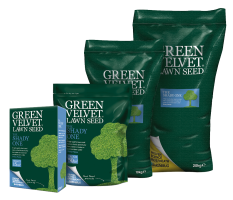
The Shady One
-
Shade tolerant grass seed
-
Ideal for areas under full or partial shade
-
Improved tolerance to common diseases