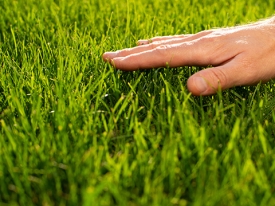
A Step-by-Step Guide to Repairing Your Lawn
Imagine looking out at your lawn, expecting a lush green carpet but instead seeing a patchwork quilt of thinning grass and bare spots. A damaged lawn can be a source of frustration for any homeowner.
Before you can fix it, understanding why lawns deteriorate is crucial, from soil compaction and excessive thatch to drought and invasive pests. Through identifying the root issues—be it parched earth or the encroachment of weeds and destructive insects—you take the first step towards lawn recovery. This article will guide you through each phase of reviving your garden, from diagnosis to treatment, and finally, maintenance, ensuring your lawn returns to its former verdant glory.
Understanding the Causes of a Thin and Patchy Lawn
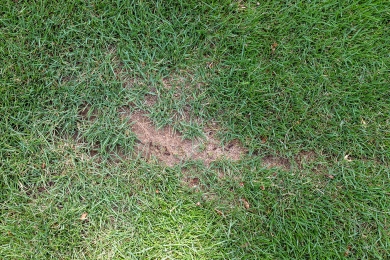
A thin and patchy lawn can detract from the aesthetic appeal of your outdoor space and may be symptomatic of underlying issues impacting your lawn's health. Understanding the root causes is essential for a targeted and effective repair strategy. The impediments to a lush, green lawn range from biological factors like weed grasses and fungal diseases to environmental conditions such as poor soil quality, extreme weather, and human activity.
Weed invasion, thatch accumulation, deficient air and water penetration to grass roots, inconsistent lawn care practices, and moss or fungal development are among the primary reasons for a lawn's lacklustre appearance. High traffic, the prolonged presence of objects on the grass, animal disturbances, and insect infestations can amplify the problem. Additionally, overuse of pesticides and artificial fertilisers, improper water management, or erratic weather patterns can contribute to a deteriorating lawn.
Frequent issues that cause patchiness include irregular mowing, leaving the grass too short or allowing it to grow excessively tall. Adequate fertilisation is often overlooked, leading to undernourishment, while insufficient effort in combating weed proliferation can leave desirable grass plants struggling for space and resources. A combination of such factors can lead to the appearance of bare spots and a reduction in the vigour of grass growth.
Addressing these concerns involves thoroughly assessing the condition of your lawn to diagnose the specific factors at play. Only then can you create a custom lawn repair plan that rejuvenates your garden and restores its lush, healthy state over time.
Excessive Thatch Buildup
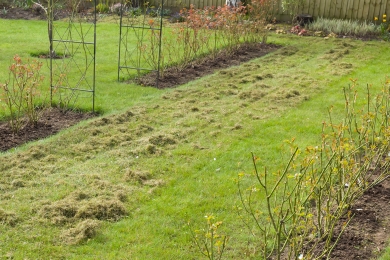
The layer of dead grass, roots, and debris that accumulates between the soil surface and the live grass above is known as thatch. Excessive thatch buildup can prevent water, air, and nutrients from reaching grass roots effectively. One fundamental aspect of lawn repair is addressing thatch through periodic aeration, which mitigates soil compaction and promotes a healthy flow of essential resources to soil and roots.
A power rake can be invaluable for removing excess organic material; however, care should be taken to leave behind a minimal thatch layer for soil protection. Lawn aerators create deep holes in the soil that are necessary to alleviate compaction and enhance drainage, preventing waterlogging and promoting healthier grass roots.
Lack of Water or Nutrients
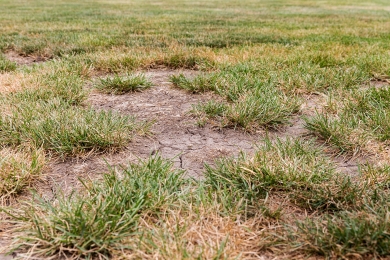
A common reason behind a lawn's decline in appearance is a lack of water or essential nutrients. Regular feeding of the lawn provides grass plants the sustenance they need during their growth periods. Ideally, feeding should occur every 6 to 8 weeks during the growing season to support robust grass growth.
Newly seeded or established areas require consistent watering to maintain moisture in the top layer of the soil, which encourages deep root development. Once the grass attains an optimal height—several inches tall—shifting to less frequent but deeper watering sessions will foster a more drought-resistant and enduring lawn.
Reseeding and ensuring soil contact in bare spots can aid in reviving your lawn's appearance. Timing is also a key factor; early spring or early fall are the best periods to undertake such activities due to favourable soil temperatures which aid in optimal grass seed germination.
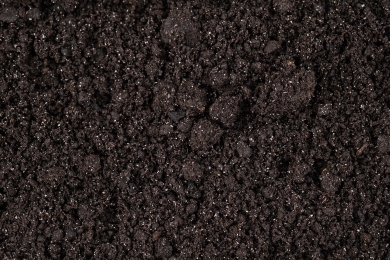
Compacted Soil
Repairing a compacted lawn that hampers grass growth and leads to a patchy green space requires careful attention to soil quality and lawn care. Compacted soil lacks adequate pore space, which restricts the circulation of air, water, and nutrients essential for healthy grass roots. To revive such a lawn, it's important to alleviate compaction and encourage lush grass growth.
For compacted soil, the ground should be amended before overseeding. Adding compost or finely ground clay to sandy soil can improve soil structure and foster a better environment for grass seeds. When addressing areas with damaged patches, it’s crucial to prepare the soil to ensure good soil contact, promoting better seed germination and grass root development.
Scatter grass seed evenly over prepared ground and lightly water the area to kickstart the germination process. A lawn repair mix containing both grass seed and mulch or appropriate soil amendments can be particularly effective when applied to bare patches in compacted areas. Regular watering is key, keeping the emerging grass seeds moist but not soggy during their critical early stages.
By managing soil condition and maintaining constant moisture, you can revitalise compacted soil and transform it into a thriving foundation for a dense, green lawn over a period of time.
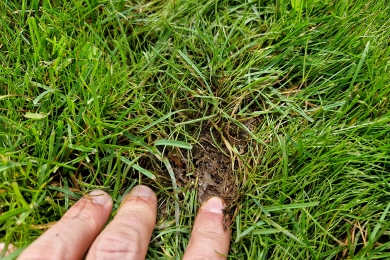
Repairing the Damaged Lawn
Repairing a damaged lawn does not only enhance the appearance of your outdoor space but also prevents weed growth and ensures the long-term health of your grass plants. To achieve a lush and healthful green lawn, follow a systematic approach to lawn repair. Begin by identifying areas in need of intervention—bare or yellowed spots are a clear sign they need attention.
The repair process typically unfolds in four fundamental steps. Start by removing any rocks or debris from the area. Next, spread a new layer of lawn soil to refill deep holes and provide a base for new grass seeds. Overseed patches with a high-quality grass seed blend appropriate for your soil and climate. Finally, protect the newly seeded patches by covering them with a thin layer of topsoil or straw. This guards against erosion and aids soil moisture retention, providing a favourable environment for grass seed germination.
Timing plays a critical role in lawn repair; the ideal periods for reseeding are in April or September when the soil temperature is conducive to uniform grass growth. Repairs undertaken during these times are more likely to yield a patch-free lawn that returns to its lush and healthy state. Remember that high-quality grass seed blends not only rejuvenate your lawn but also offer increased resistance against weed grass invasions.
Aeration of the Soil
For grass roots to thrive, they require well-aerated soil. Aeration alleviates compaction and permits proper airflow and nutrient penetration to the grass roots. The process involves creating small holes in the soil to a depth of 6-15 mm, enhancing the lawn’s ability to absorb water and fertiliser. Lawn aeration tools are readily available at garden centres and can vary from simple manual tools to motorised equipment for larger lawns.
This process is best done before sowing new grass seeds—typically during the lawn repair period—to ensure the seeds have a favourable environment for efficient growth. When combined with top dressing, aeration can significantly improve soil conditions and foster a more vigorous development of new grass plants.
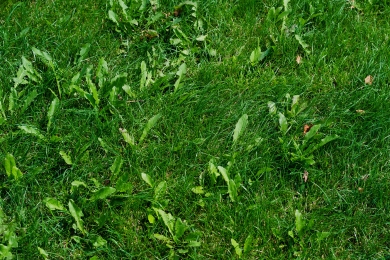
Applying Weed Control Methods
Applying a weed killer may be part of the lawn repair process, especially if you have been grappling with persistent weed grasses. When using weed control products, follow the label's instructions carefully, as newly sown grass is delicate and could be harmed by chemicals. Specific timing for application is essential to avoid damaging the new grass shoots while still managing the weed problem effectively. Using weed control helps maintain the soil quality, keeping your repaired lawn clear of unwanted invaders that could harm the grass plants and hinder their growth.
Adding Topsoil and Grass Seeds
Revitalising a patchy lawn starts with preparing the soil and ensuring it has the right conditions for new grass seeds. Adding a thin layer of topsoil can help smooth out the lawn surface, improve soil quality, and supply the new seeds with nutrients they need to flourish. Spread the grass seeds uniformly over the topsoil, paying particular attention to bare spots. Strategically applying lawn seed ensures that all areas prone to thinning out will receive attention, promoting an evenly lush garden.
It's essential not to cut the fresh growth too soon. Wait until new grass is approximately 3 ½ inches tall before using the lawn mower. This patience allows roots to establish deeply and minimises stress on the grass plants. Regular watering is also key, as it helps maintain soil moist and supports healthy grass growth from germination through to maturity.
Feeding and Fertilising the Lawn
A healthy and green lawn results from not only repairing lawn patches but also from consistent feeding and fertilisation. Lawn fertilisers are formulated to provide the needed nutrients, supporting robust grass growth and durability. A low nitrogen pre-seed fertiliser can be applied to the soil to prep it for new grass. Once the grass is established, quick-release fertilisers can be used to encourage rapid growth and create a denser lawn.
Utilise a spreader to apply fertiliser evenly across the entire lawn—the precise dose varies with the product, so adhere to the manufacturer's guidelines. Consistent feedings every 6 to 8 weeks during the growing season can significantly contribute to the lawn's progress, ensuring a thick and inviting expanse of green. Remember, while fertiliser encourages vibrant grass plants, bare areas with less grass may require reseeding to achieve the desired fullness.
Dethatching the Lawn
Repairing a lawn often involves a crucial step called "dethatching," particularly when addressing patchy areas. Thatch is a dense layer of dead and living grass blades, roots, and stems that accumulate between the soil surface and the green grass blades. Over time, this layer can become fibrous and thick, obstructing sunlight, air, and water from reaching the new, healthy grass shoots.
Dethatching involves the removal of this layer, thereby enhancing the overall soil quality. This process ensures maximum airflow, nutrition, and drainage for the grass plants, promoting robust and healthy growth. By breaking down and decomposing the thatch layer, essential elements can penetrate the soil more efficiently, thereby preventing the development of patchy lawn areas.
Regular dethatching contributes to a green lawn free of dead grass and encourages the emergence of strong grass roots. It's a beneficial practice that should be a part of routine lawn care, as it allows for better nutrient absorption and encourages vigorous grass growth.
Maintaining the Repaired Lawn
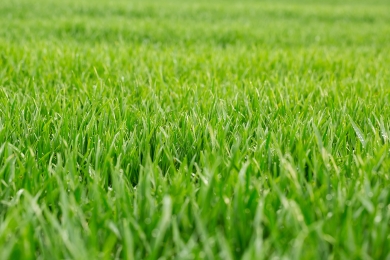
Regular lawn maintenance is essential after repairing your grass to ensure it continues to grow healthy and dense. Whether you've sown grass seeds to restore bare patches or installed new turf, your repair efforts require ongoing care to flourish. The process of repair often takes place in the optimal growth periods of spring and autumn when soil temperatures and moisture levels are conducive to grass growth.
If you've addressed bare patches with grass seed, start by shielding the seeded area with a fine layer of topsoil or straw to aid in water retention and protect the tender seeds from birds. This covering also facilitates contact between seeds and soil, which is crucial for successful germination. For shaded patches, choose a seed mix specifically designed for low-light conditions, and for areas with high foot traffic, opt for hardwearing grass varieties. Keep the soil around the new seeds or turfs consistently moist throughout the crucial first weeks, ensuring that you establish a regular watering routine.
For a newly repaired lawn, the first mow should happen once the grass is about 3 inches tall, cutting it down to approximately 2 inches. Avoid cutting too much at once, as it can stress the young grass plants. Also, ensure blade sharpness to avoid tearing the grass, which could expose it to diseases.
Regular Mowing
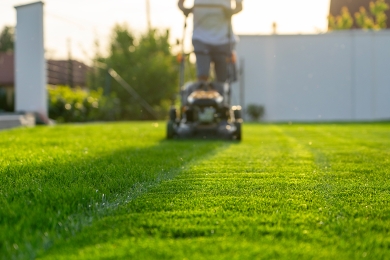
Maintaining a consistent mowing schedule is vital for a healthy and aesthetically pleasing lawn. Regular mowing encourages grass plants to grow thicker, thereby improving the overall density of your lawn. Aim to cut the grass when it is dry, and try not to remove more than one-third of the grass blade height in a single mow.
The frequency of mowing will vary with the seasons. In the spring and summer, when grass growth is more vigorous, you might find yourself mowing once a week or more. In contrast, during the cooler months of fall and early winter, your lawn's growth will slow, necessitating less frequent cuts.
Mowing Schedule:
- Spring/Summer: Mow once a week
- Autumn: Mow once every 2 weeks
- Winter: Mow once a month (as needed)
Adjusting the height of your mower can also be beneficial. In the warmer months, consider raising the mower blade to leave the grass a little taller. This height provides shade to the soil, which helps to conserve moisture and prevent weed seeds from germinating.
Preventing Weed Growth
Appropriate lawn care practices not only promote healthy grass growth but also combat the proliferation of weeds. Weeds can take hold due to various factors, including poor soil quality, improper mowing, and inadequate nutrition for the grass. Maintaining grass at a healthy height—around 2 inches tall—can provide a competitive advantage against weed grasses. Additionally, implementing scarification to remove thatch and regular feeding can create an environment less hospitable to weeds.
Manual weeding and the careful use of weed killers are two methods to address existing weed issues. Be diligent with weed removal, as some have root systems that can spread quickly across the lawn. Regular mowing is an effective preventive strategy, as it can hinder the development of weed flowers and seeds, limiting their ability to spread.
Together, these methods ensure that your lawn can remain a verdant and inviting space with minimal weed intrusion. Regular maintenance, which includes mowing, watering, and weed control, is the key to a long-lasting, beautiful lawn.
Proper Watering Techniques
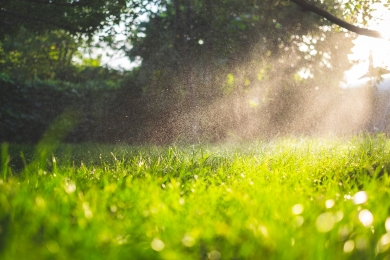
Watering your lawn correctly is vital for repairing and maintaining a vibrant, green lawn. For areas that are newly seeded, sodded, or plugged, daily watering is essential. During the first two weeks, aim to keep the soil consistently moist without making it soggy, ensuring the grass seeds or young grass shoots have the moisture they need without being overwhelmed.
As grass seedlings start to grow, it's crucial to continue watering but slightly reduce the frequency. This helps maintain the top two inches of soil moist, providing the optimal environment for grass roots to develop. Once the grass has reached a height suitable for mowing, the watering pattern should shift again.
Deep watering once or twice a week is recommended to encourage the grass roots to grow deeper into the soil. This method is far superior to short, superficial watering sessions. Deep root systems are key to a healthy lawn that is more drought-resistant and robust.
During hot conditions, to prevent potential scorching and to conserve water, the best times for watering are in the early morning or evening. This schedule allows for less evaporation and ensures that the grass plants have adequate moisture to get through the day's heat.
Addressing Specific Lawn Repair Issues
Lawns are subject to wear and tear, and the impact of the seasons can lead to patchy or damaged areas necessitating repair. The key to a lush green lawn is to address these problem patches effectively. Heavy use during summer months or soil deficiencies can contribute to an inconsistent lawn appearance. Fortunately, a patchy lawn can be rejuvenated by overseeding or returfing, with spring and autumn being ideal times due to favourable soil temperatures and moisture levels. Ensuring that the grass type for repair is consistent with the existing lawn is vital for maintaining a uniform look. Additionally, lawn edges are prone to damage and require timely intervention to curtail weed invasion and maintain the aesthetic of your entire lawn.
Fixing Bare Patches
To tackle bare patches, the process of overseeding existing lawns or patching with turf is conducive to restoring a full and vibrant appearance. Carrying out repairs in April or September is recommended, as these months offer mild weather conditions that are conducive to grass growth without the extremes of frost or scorching sun. When reseeding, utilising the same grass seed mix or a compatible variety ensures that the lawn maintains a consistent appearance.
Dealing with Moss and Weeds
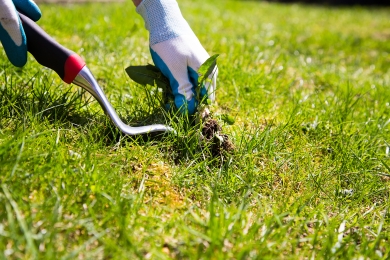
Moss and weeds can be persistent lawn nuisances, and addressing them requires a strategic approach. Lawn sand, which usually contains nitrogen and iron sulphate, can help control moss but must be used judicially, especially during warmer temperatures to prevent grass yellowing or damage. Regular removal of dead grass and weeds is crucial for preventing moss spread and maintaining lawn quality. Keeping the soil moist and avoiding over application of any weed killer or lawn treatments will aid in preserving a healthy lawn and preventing issues such as yellowing of the grass or the formation of further patchy lawn areas. Proper lawn maintenance practices are essential in cultivating and sustaining a vibrant lawn free of weed grasses and moss.
Remember, maintaining the beauty and health of your lawn requires vigilance and correct maintenance practices. By following these steps, you ensure your grass seeds have the best possible soil contact and conditions for grass growth, leading to a lush and vibrant lawn over time.
Related Information

The All Rounder
-
A great everyday grass seed for areas of grass that get everyday use
-
Rapid germination and establishment from the perennial ryegrass grass seed
-
Withstands heavy foot traffic and wear

The Action Hero
-
Hard-wearing ryegrass mixture
-
Has substantial ability to withstand wear and tear
-
Gives an attractive lawn that’s extremely tough

The Perfectionist
-
High quality and beautiful looking lawn from this premium grass seed
-
Luxurious, quality look for areas with lower levels of traffic and wear
-
Improved tolerance to common diseases