Reseeding - For Fields Beyond Repair
Reseeding is an investment. Taking the time to reseed properly will set up a field for a long and productive contribution to the farm. Careful consideration of all the steps for reseeding will be well worth the time taken.
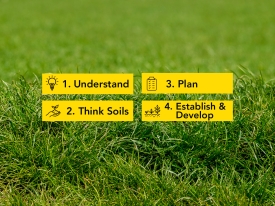
An important consideration for reseeding is the product being sown, taking into consideration the production goals and other questions for the field that are considered in our 4 Steps To Grass Success in Step 3: Plan. Careful selection of species, variety, and mixtures will be very important so that all goals can be met practically. Information on grass, clover, and herb species can be found in Step 3, and for up to date information on mixture products visit our Agricultural Products page.
Reseeding Steps

1. Dig
Dig a soil assessment pit to look for soil structure and plant rooting structure. The pit should be 30cm deep in a perennial ryegrass/timothy sward. Address soil structure issues, such as compaction or panning, as required.
2. Soil Test
Soil test to assess pH and nutrient levels in the top 4” of the soil. This is particularly important in high rainfall areas where nutrients can leach out with water. Take necessary steps to rectify any issues as well as practically possible. Check which plant species are present, particularly weeds, as this will inform a plan for weed control before and after reseeding and early in the life of the new pasture.
3. Seed Bed Preparation
This can include a full plough and cultivation, a chemical termination of the existing sward, direct drilling or a light till. These decisions will depend on philosophical approach to tillage, weed species present, farm rotation, and other environmental and management goals. Regardless of the approach, the goal of seed bed preparation is to plant into a fine, firm and clean seed bed to give the seed the best change of establishment.
4. Drill
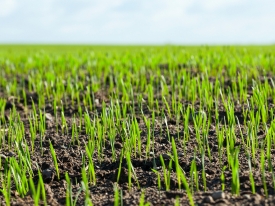
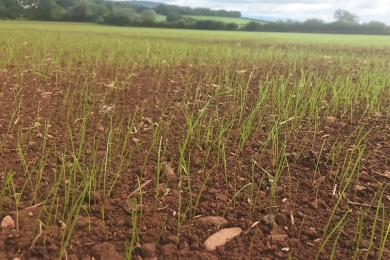
Regardless of the type of machinery being used, it is important to plant forage seeds at an appropriate ground speed, so that the relatively small seeds are placed at a consistent and appropriate depth. Seeds placed too deep can take extra time to emerge or may not emerge at all, resulting in a patchy sward which allows ingression of weeds.
5. Seed To Soil Contact
Ensure good seed to soil contact by rolling. Seeds absorb moisture from the soil to begin the germination process, so good contact with soil means the process starts promptly, and germination is faster and more uniform.

6. Weed Control
Weed control by all means possible will always benefit the quality of the new sward. The best defence against weeds is a strong grass stand, so protecting the young forage plants while the sward fills in will pay dividends over the life of the field. Grass and clover seedlings are not particularly competitive and can be overwhelmed by high weed populations, making the stand patchy and thin later on.