Grass Insect & Pest Identification
Identifying common grass insects and pests found in the UK.
Grass Insect & Pest Identification

Chafer
The larvae of several species of chafer beetle can also cause damage to grassland in various parts of the UK. The adults are 8-10 mm long with a green head and thorax and reddish-brown wing cases.
The grubs are white and about 18-20 mm long when fully grown.
The feeding of the larvae produces patches of poorly grown grass that may turn very brown in dry weather.
Damage is most likely to be seen in September–October.
Substantial bird activity may indicate infestation, as they actively search out the grubs.
Once infested, pastures tend to be re-infested in subsequent seasons.
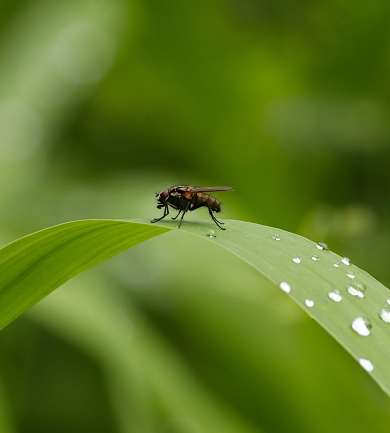
Frit Fly - Oscinella frit
This larva of the Frit fly attacks all cereal and grass crops especially those following grassy stubbles or grass.
The Frit fly larvae are yellow whitish in colour and can grow to 5mm long.
To help prevent Frit fly, leave a 10-week gap between the previous grass crop or grassy stubble.
If grass is sown after, grass seedlings will be attacked by larvae migrating out of the old sward in addition to those hatching from eggs laid by incoming adult flies.
The problem is more acute in direct drilled reseeds than reseeding after ploughing and more risky in summer and autumn reseeds.

Leatherjacket - Tipula spp
Leatherjackets are the larvae of craneflies, also known as daddy long legs. Theses soil living larvae cause considerable damage to roots and stems of many agricultural and horticultural crops, particularly of young plants. Legless, grey, brown, thick, tough wrinkled skin - growing to about 2 inches in length.
On established grassland high infestations may result in large bare patches appearing in the field. With low levels of infestation spring growth may be impeded.
Reduces yield and, at the economic threshold of 1 million leatherjackets per ha, the weight of leatherjackets feeding below ground can be greater than the weight of livestock above ground. New sowings or reseeded leys may be completely destroyed.
The presence of large numbers of rooks, crows and starlings also indicates the presence of large populations of leatherjackets.

Slugs - Deroceras reticulatum
The Grey Field Slug is particularly active in wet seasons especially on the heavier soil types.
It feeds on the shoots of newly germinated seeds, killing the plant entirely and may leave large areas completely devoid of plants.
Damage is therefore most likely on direct reseeded leys.
Other symptoms include shredding of the leaves of older plants. Slime trails would also be obvious.