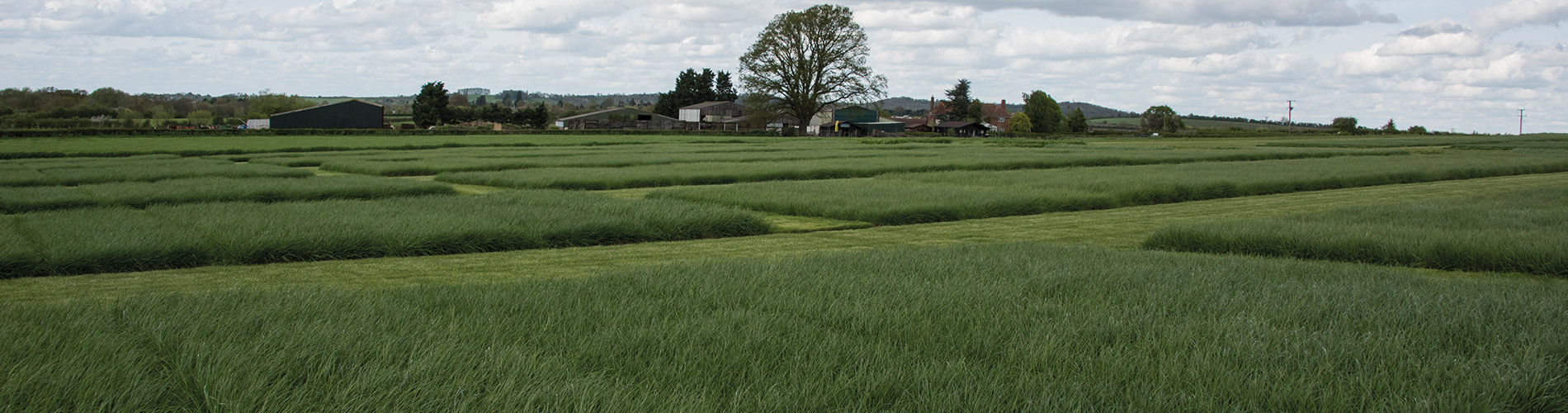
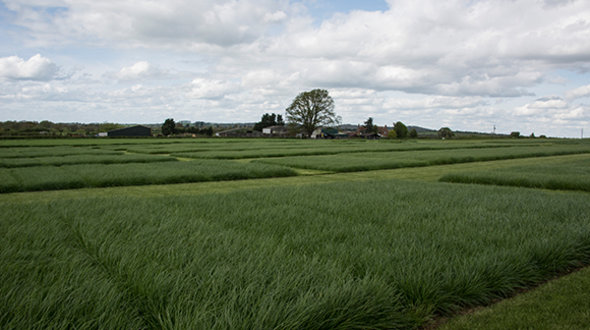
We are delighted to be celebrating ten years of research and development at its Cropvale trials site in Worcestershire this year. Established in 2008, Cropvale is the leading location for testing the performance, palatability and persistency of forage grass varieties and mixtures bred for use by UK farmers.
Every year around 2,000 new grass plots are sown at Cropvale, which spans 15 acres of farmland in the Vale of Evesham. Cropvale is used to test new grass seed products developed out of the international breeding programme of The Royal Barenbrug Group – Barenbrug UK’s parent company. The site also tests varieties arising from Barenbrug UK’s long-standing partnership with the Agri-Food and Biosciences Institute (AFBI) in Northern Ireland; and is a major disease trials centre for The England and Wales Recommended Grass and Clover Lists with NIAB.
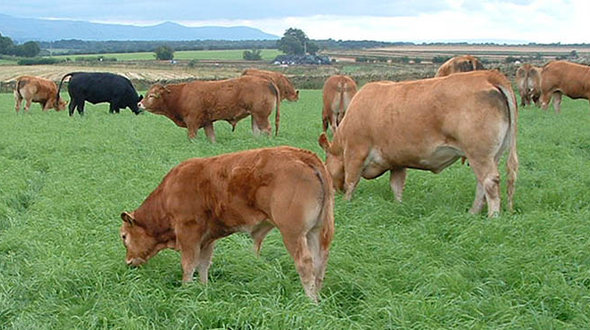
Paul Johnson, Managing Director at Barenbrug UK, said: “Over the last decade, Cropvale has played a critical role in the UK farming sector - putting new grass seed varieties through their paces to ensure they give farmers the best possible results. Cropvale enables our team to closely monitor the potential of new forage crops in terms of overall yield but also palatability, persistency and disease resistance. Cropvale is a unique place, doing vital work. We are incredibly proud of the site’s track record in advancing the agriculture industry’s understanding of the science of good grass, and for the role it plays in developing grass products that consistently top national recommended lists.”
Roger Hutchings and his family, who have farmed the land at Cropvale for almost 60 years, manage Cropvale on behalf of Barenbrug UK. Roger, who was involved in setting up the Barenbrug trials site a decade ago, said: “Ten years ago, like most farmers, I didn’t realise just how much time and effort goes into bringing new grass varieties and mixtures to market. Managing Cropvale, no two days are the same. With around 2,000 plots sown every year, there is always something to do. It’s a fascinating process and I’m pleased to be part of the important work that Barenbrug is conducting on behalf of farmers nationwide.”
Cropvale has a long growing season of around 300 days. The site is well sheltered with grass growth limited by frost and cold weather in the winter, and drought in the summer. Because of its location, there is a strong focus at Cropvale on testing varieties and mixtures designed for use in central and southern England and Wales. Varieties tested on site typically include early, intermediate and late heading varieties of perennial ryegrasses; hybrid and Italian ryegrasses; cocksfoot; Timothy; tall fescue; vetches; and red and white clovers. Trial plots are sown twice a year, with main sowing in the autumn. Sowing is followed by two years of cutting to simulate normal farm use. The plots are cut for two silage crops, followed by a normal rotational grazing. Subject to weather conditions, cutting dates will follow normal farm practice. Spring sowings are mainly of species, like lucerne, which is slow to establish and prefers a full summer before a cutting regime commences.
In addition there are demonstration plots that will replicate yield information about the performance of different species compared to known varieties like Tyrella and Dunluce. Also included in these trials are mixture trials that will give both total yield and seasonal growth information as well as sward densities and disease resistance figures for all the current and prospective BarForage leys. To perform well at Cropvale, varieties must have good overall disease resistance, a long growing season and be tolerant of hot, dry conditions. Barenbrug also has a number of plots at Cropvale to trial new varieties of amenity grass, grown for use at football stadiums and on golf courses.